
Introduction
Outdoor walkways need lighting that improves safety, visibility, and visual comfort.
LED bollard lights are one of the most common solutions for pathway illumination in landscape and architectural lighting projects.
But with many styles, heights, and optical designs available, selecting the right bollard lighting can be confusing.
This guide explains the key factors to consider when choosing LED bollard lights for walkway lighting.
1. Understand the Purpose of Pathway Lighting
Before selecting a bollard light, it helps to define the purpose of the lighting.
Most walkway lighting focuses on:
- guiding pedestrians safely
- improving night visibility
- creating a comfortable outdoor environment
- supporting landscape design aesthetics
Bollard lights are commonly used in:
- garden paths
- residential communities
- resorts and hotels
- parks and public walkways
- commercial landscape projects
2. Choose the Right Bollard Height
Height affects both lighting performance and visual appearance.
Common bollard heights include:
| Height | Typical Application |
|---|---|
| 400–600mm | Low pathway lighting |
| 600–800mm | Standard walkway lighting |
| 800–1000mm | Public pedestrian areas |
Lower bollards create a subtle lighting effect, while taller bollards provide broader illumination.
3. Consider Light Distribution
Different bollard designs produce different lighting patterns.
Common optical options include:
- 360° distribution for general pathway lighting
- Shielded downward lighting to reduce glare
- Louvered designs for visual comfort
- Directional lighting for pathway guidance
Choosing the right distribution helps balance illumination and glare control.
4. Anti-Glare Design Matters
Glare is a common issue in outdoor lighting.
Good bollard lighting design should minimize direct light exposure to pedestrians.
Anti-glare solutions include:
- recessed light sources
- louvers
- shielding structures
- controlled beam angles
These features improve comfort while maintaining pathway visibility.
5. Check Outdoor Protection Ratings
Since bollard lights are installed outdoors, durability is important.
Typical specifications include:
- IP65 for water and dust protection
- IK08–IK10 for impact resistance
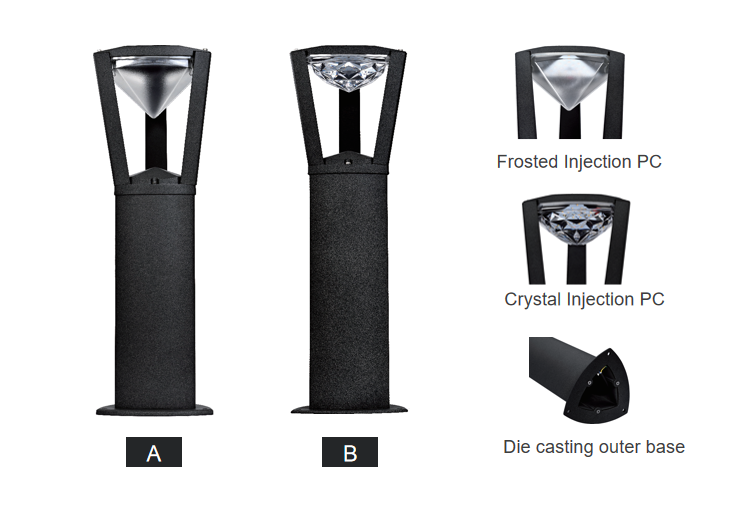
- die-cast aluminum housing for durability
These features help ensure reliable long-term operation.
Conclusion
LED bollard lights are a practical and visually appealing solution for walkway lighting.
When selecting a bollard light, consider:
- installation height
- light distribution
- glare control
- durability and protection
Understanding these factors helps ensure safe and comfortable pathway lighting for outdoor environments.